
Warehouse Space in Singapore 2026: Paying for Height You Never Use
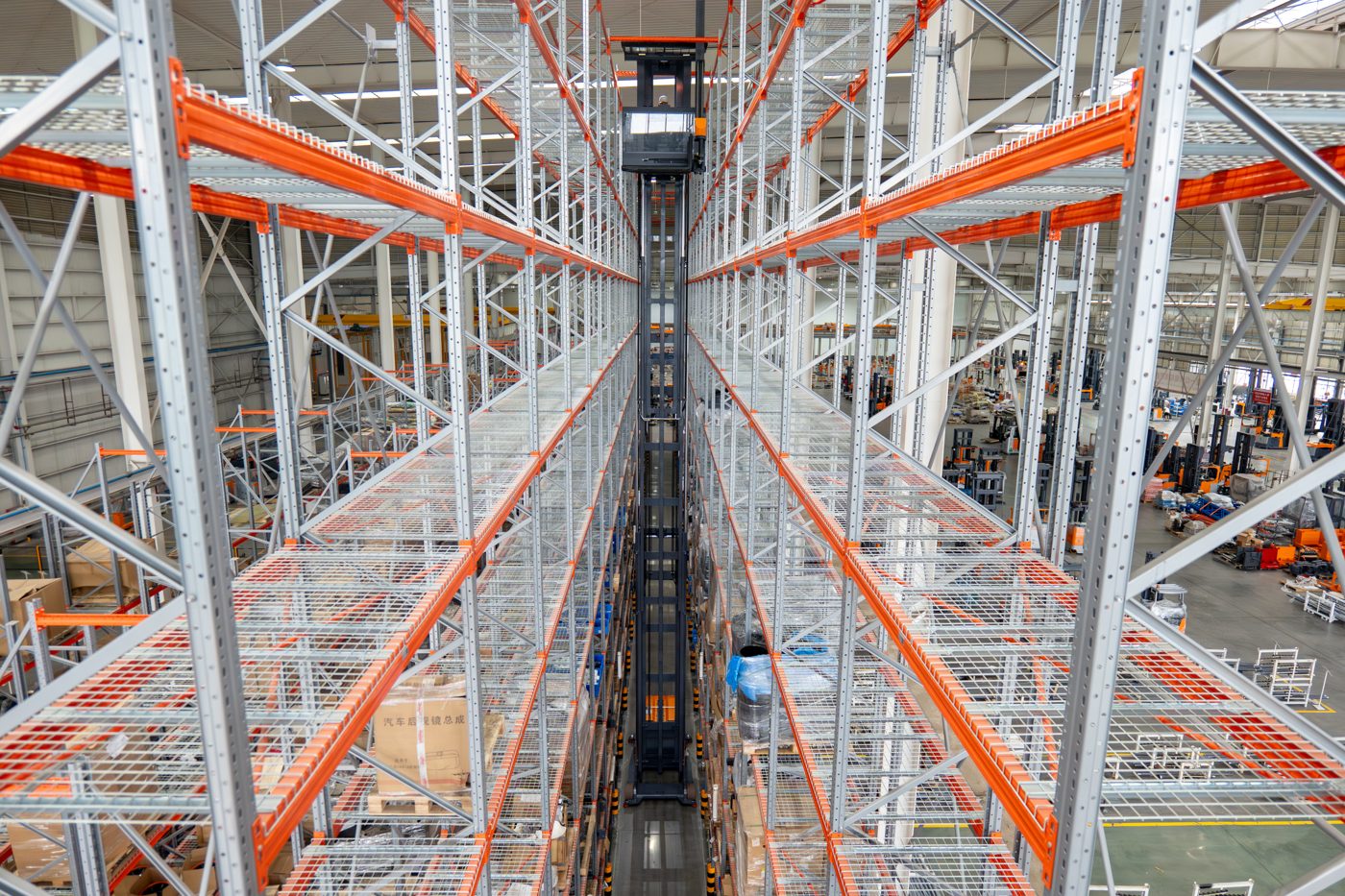
Singapore industrial rent is at its highest level since 1996, and no new multi-user prime logistics building completes this year at all. For a warehouse running out of room in 2026, the usual answer — take another unit — has quietly stopped being available. So the question changes. Not "where do I find more space", but "how much of the space I am already paying for am I actually using?"
Where the market actually is, August 2026
| Measure | Where it stands |
|---|---|
| JTC industrial price index, Q2 2026 | 113.8 — up 0.6% on the quarter, 3.8% on the year |
| Multi-user factory prices | Up 1.7% q-o-q in Q1 2026, after 1.9% the quarter before |
| Industrial rents | Highest level since 1996, after five straight years of gains |
| Prime logistics rent forecast, 2026 | Up 2 to 3 percent, against 0.9 percent in 2025 |
| New prime logistics space completing in 2026 | None |
| New space available to lease before 2027 | None |
| Prime logistics occupancy | 93.6%, up from 92.1% a year earlier |
Sources: JTC quarterly statistics via CBRE, EdgeProp and JLL, read August 2026.
The new buildings are tall. Most fit-outs are not.
Take Skye @ Tuas, the B2 development at Tuas Link Close expected to TOP around the first quarter of 2027. Its published specification shows exactly what the market is now building:
- Ceiling heights from about 8 metres up to 12.95 metres on selected levels
- Floor loading of 25 kN per square metre
- Ramps 12m straight and 18m on the curve, three-phase power up to 150 amp
- Around 309 units, 30-year tenure, beside Tuas Link MRT
Now put an ordinary fit-out inside that. A counterbalance forklift working a 3.5 metre aisle typically racks to about 6 metres. In a unit with 12.95 metres of clear height that leaves roughly half the building unused — and you pay for the whole envelope either way, because industrial space is priced on floor area regardless of how much of the height you reach.
What the height is worth, in pallets
Rough figures at a 1.5 metre beam pitch, which is what most Singapore warehouses run:
| Racked to | Beam levels | Pallets per bay | Truck needed |
|---|---|---|---|
| 6 m | 3 | 6 | Counterbalance, 3.5m aisle |
| 8 m | 4 to 5 | 8 to 10 | Reach truck, 2.7 to 3.0m aisle |
| 11 m | 6 to 7 | 12 to 14 | Reach truck or VNA |
| 12.5 m | 7 to 8 | 14 to 16 | VNA, 1.6 to 1.9m aisle |
Going from 6 metres to 12.5 metres is not a 20 percent improvement. It is roughly double the pallet positions on the same floor — before counting what narrowing the aisles adds on top.
And then the aisles
Aisle width is the second half of the same problem, and the half nobody notices, because an empty aisle does not look like waste.
| Truck | Aisle needed | What it costs you |
|---|---|---|
| Counterbalance | 3.5 m and up | The most floor given over to driving |
| Reach truck | 2.7 to 3.0 m | Roughly a fifth of the aisle back |
| VNA | 1.6 to 1.9 m | Around half the aisle becomes racking |
Across several long aisles, every metre saved becomes a new run of racking. That is where the 30 to 40 percent figure in our warehouse storage capacity guide comes from. It is not the height alone and not the aisles alone. It is both at once.
When this does not work, and we will say so
We sell VNA trucks and we are Singapore's exclusive Zowell VNA agent, so treat what follows as the part we have no reason to write:
- A patched or uneven floor kills a high lift. The higher the mast, the more a small dip in the slab becomes a large sway at the top. On an old floor, height is a safety question before it is a storage question.
- VNA suits deep, orderly stock. If you pick constantly across many lines with heavy movement in and out, a narrow guided aisle can slow you down rather than speed you up.
- The racking has to be designed for it. VNA aisles are guided and the racking is set out for the truck. Retrofitting a VNA truck into racking laid out for a counterbalance rarely ends well.
- Often the honest answer is a reach truck. It gets most of the height for a fraction of the change, and in many Singapore warehouses that is the sensible stopping point.
The four numbers that settle it
Take these yourself before anyone quotes you anything. Half an hour with a tape:
- Clear aisle width, measured between the pallets that overhang the racking, not between the uprights. Those are different numbers, and the difference decides which truck fits.
- Height to the lowest obstruction — sprinklers, lights, ducting — not the roof.
- Heaviest pallet, and whether it goes to the top level.
- Floor condition, and whether the slab is original or has been patched.
Send those four and we can tell you what fits, and whether it is worth doing at all, without anybody visiting your site.
Common Questions
How high can you rack in a Singapore warehouse?
It depends on the height to the lowest obstruction, not the roof. Sprinklers, lighting and ducting all take a share, and clearance is needed above the top pallet. Newer B2 developments are being built with about 8 metres of clear height and selected levels up to around 12.95 metres. A counterbalance forklift usually racks to about 6 metres, a reach truck to around 12.5 metres, and a VNA truck higher still.
Is it cheaper to rent more warehouse space or to rack higher?
Compare them properly: multiply the monthly rent of the extra space by the length of the lease, then price the racking and truck change against that single number. A conversion is paid once. Rent is paid every month, and Singapore industrial rents are at their highest level since 1996 with no new multi-user prime logistics space completing in 2026.
How much more can you store with a VNA truck?
Two effects stack. Racking higher roughly doubles pallet positions going from 6 metres to 12.5 metres at a standard beam pitch. Narrowing aisles from 3.5 metres to 1.6 to 1.9 metres turns roughly half the aisle into racking. Together that is commonly 30 to 40 percent more pallet positions on the same floor, though the real figure depends on the building.
Does my floor need checking before racking higher?
Yes, and it is the step most often skipped. The higher the mast, the more a small dip in the slab becomes a large sway at the top. A floor that is perfectly acceptable for a counterbalance truck at 3 metres can make a 10 metre lift feel unsafe. If the slab is old or has been patched, have it checked before committing to a high mast.
What is the ceiling height at Skye @ Tuas?
The developer's published specification gives an average of approximately 8 metres with selected levels reaching up to 12.95 metres, and heavy-duty floor loading of 25 kN per square metre. It is a B2 development at Tuas Link Close with around 309 units, expected to TOP in the first quarter of 2027. These are the developer's published figures and should be confirmed with them.
Is a VNA truck always the right answer?
No. VNA suits deep, orderly stock in a building with a good floor and racking designed for guided aisles. If you pick constantly across many lines with heavy movement in and out, a narrow guided aisle can slow you down. In many Singapore warehouses the sensible stopping point is a reach truck, which gets most of the height for a fraction of the change.
Send us the four numbers
Aisle width, height to the lowest obstruction, heaviest pallet, and whether the floor has been patched. We will tell you what fits before anyone visits.
WhatsApp us